
marlysmanley47
About marlysmanley47
Investing in Gold and Silver IRAs: A Safeguard Against Economic Uncertainty
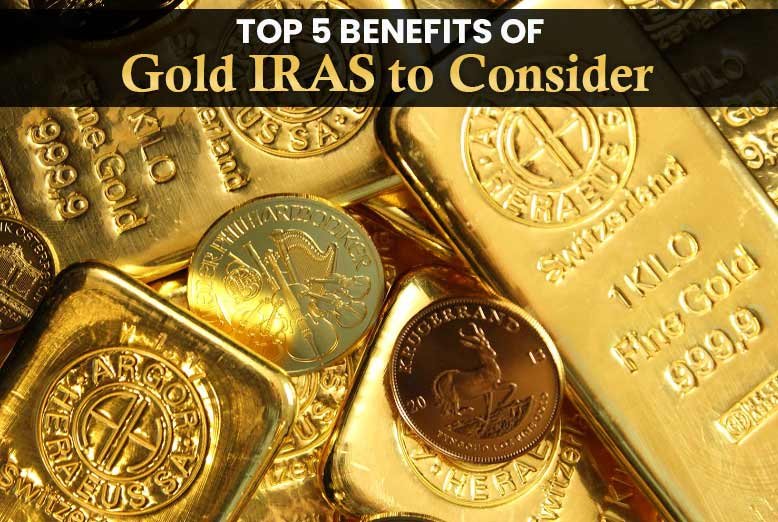
In an era of economic volatility and uncertainty, many investors are seeking alternative strategies to protect their retirement savings. One increasingly popular option is investing in Gold and Silver Individual Retirement Accounts (IRAs). These specialized accounts allow individuals to hold physical precious metals as part of their retirement portfolio, offering a hedge against inflation and market fluctuations. This article explores the benefits, risks, and considerations associated with Gold and Silver IRAs, helping investors make informed decisions about their retirement strategies.
The Appeal of Precious Metals
Gold and silver have been regarded as valuable assets for centuries, often seen as a safe haven during times of economic distress. Unlike traditional paper assets, precious metals have intrinsic value and are not subject to the same risks as stocks or bonds. Investors are drawn to gold and silver for several reasons, including:
- Hedge Against Inflation: As the cost of living rises, the purchasing power of fiat currencies declines. Precious metals tend to retain their value over time, making them an effective hedge against inflation. During periods of high inflation, gold and silver often see price increases, providing a buffer for investors.
- Diversification: Including gold and silver in a retirement portfolio can enhance diversification. Precious metals often have a low correlation with other asset classes, meaning they may not move in tandem with stocks or bonds. This can help reduce overall portfolio risk and volatility.
- Economic Uncertainty: Geopolitical tensions, economic downturns, and financial crises can lead investors to seek refuge in tangible assets. Gold and silver have historically performed well during such times, providing a sense of security for retirement savers.
Understanding Gold and Silver IRAs
A Gold or Silver IRA is a self-directed retirement account that allows investors to hold physical precious metals. Unlike traditional IRAs, which typically consist of stocks, bonds, and mutual funds, Gold and Silver IRAs focus on tangible assets. Here’s how they work:
- Account Setup: Investors must first establish a self-directed IRA through a custodian who specializes in precious metals. This custodian will facilitate the purchase, storage, and management of the metals.
- Eligible Metals: Not all precious metals qualify for inclusion in an IRA. The Internal Revenue Service (IRS) specifies certain types of gold and silver that are eligible, including American Eagle coins, Canadian Maple Leaf coins, and certain bullion bars. It’s crucial for investors to ensure that their chosen metals meet IRS standards.
- Storage Requirements: The IRS mandates that physical metals held in an IRA must be stored in an approved depository. Investors cannot take possession of the metals until they withdraw from the IRA, ensuring that the assets remain secure and compliant with regulations.
The Benefits of Gold and Silver IRAs
- Tax Advantages: Like traditional IRAs, Gold and Silver IRAs offer tax-deferred growth. This means that any gains from the appreciation of precious metals are not taxed until the investor withdraws funds from the account. Additionally, Roth Gold and Silver IRAs allow for tax-free withdrawals in retirement, provided certain conditions are met.
- Protection from Market Volatility: Precious metals often behave differently than stocks and bonds, making them a valuable asset during market downturns. While the stock market may experience significant fluctuations, gold and silver can provide stability and protection for retirement funds.
- Legacy Planning: Gold and silver can be passed down to heirs, providing a tangible asset that can be inherited. This can be an attractive option for individuals looking to leave a lasting legacy for their family.
Potential Risks and Considerations
While Gold and Silver IRAs offer several advantages, investors should also be aware of the potential risks and challenges:
- Market Fluctuations: The prices of gold and silver can be volatile, influenced by various factors such as economic conditions, geopolitical events, and changes in supply and demand. Investors should be prepared for price fluctuations and consider their long-term investment horizon.
- Fees and Costs: Setting up a Gold or Silver IRA may involve higher fees compared to traditional IRAs. These can include custodian fees, storage fees, and transaction fees for purchasing metals. Investors should carefully review the fee structure before committing to a Gold or Silver IRA.
- Limited Liquidity: Unlike stocks or bonds, which can be easily bought and sold on the market, selling physical precious metals may take more time and effort. Investors should consider their liquidity needs when investing in Gold and Silver IRAs.
How to Get Started
For those interested in investing in Gold and Silver IRAs, the following steps can help guide the process:
- Research Custodians: Select a reputable custodian that specializes in precious metals IRAs. Look for a company with a strong track record, transparent fees, and positive customer reviews.
- Choose Your Metals: Determine which types of gold and silver you wish to include in your IRA. Ensure that the metals meet IRS requirements and align with your investment strategy.
- Fund Your Account: You can fund your Gold or Silver IRA through a rollover from an existing retirement account or by making a new contribution. Here is more info regarding iragoldinvestments.org look into our web-site. Consult with a financial advisor to understand the best approach for your situation.
- Monitor Your Investment: Regularly review your Gold and Silver IRA to ensure it aligns with your overall investment goals. Stay informed about market trends and economic conditions that may impact the value of your precious metals.
Conclusion
Investing in Gold and Silver IRAs can be a strategic move for individuals looking to safeguard their retirement savings against economic uncertainty. With their potential for growth, tax advantages, and ability to provide stability during market fluctuations, precious metals can play a valuable role in a diversified retirement portfolio. However, investors should carefully consider the associated risks and costs, ensuring that their investment aligns with their long-term financial goals. As with any investment, conducting thorough research and seeking professional advice is essential for making informed decisions in the ever-evolving landscape of retirement planning.
No listing found.