
 by
by 
“Cross-subsidy practices in Malaysia’s housing market are pushing up open-market home prices and squeezing M40 homeownership, say industry experts, who warn current policies are distorting affordability.”
Kuala Lumpur, 26th January 2026, 10.45am – Cross-subsidy practices in Malaysia’s housing sector are distorting the market and driving open-market home prices higher, making homeownership increasingly unaffordable for middle-income households, or the M40 group, industry experts said.
Under the current model, private developers price open-market units at higher levels to offset the cost of building low- and medium-cost housing, a burden that experts say should be borne by the government rather than passed on to buyers.
The Real Estate and Housing Developers’ Association Malaysia (Rehda) recently highlighted the issue, warning that cross-subsidies have contributed to a decline in M40 homeownership — now lower than that of the B40 group.
According to official data cited by Rehda, the M40 homeownership rate stands at 75.9%, compared with 76.3% for the B40, raising concerns that existing housing policies are inadvertently sidelining middle-income Malaysians.
M40 Caught Between Policy Gaps

Siva Shanker of Rahim & Co International Property Consultants said the most significant pressure in the housing market has shifted from the lower-income segment to the middle tier.
“The M40 are increasingly excluded by eligibility criteria and pricing structures,” he said, adding that current income classifications do not reflect the true cost of living in major urban centres.
As a result, many M40 households do not qualify for affordable housing schemes, yet are unable to afford homes in the open market — a mismatch that helps explain why their homeownership rate has fallen below that of the B40.
To address this, Siva proposed 100% financing options and progressive repayment schemes, where instalments increase in line with income growth, particularly for first-time M40 homebuyers.
Costs Shifted to Buyers
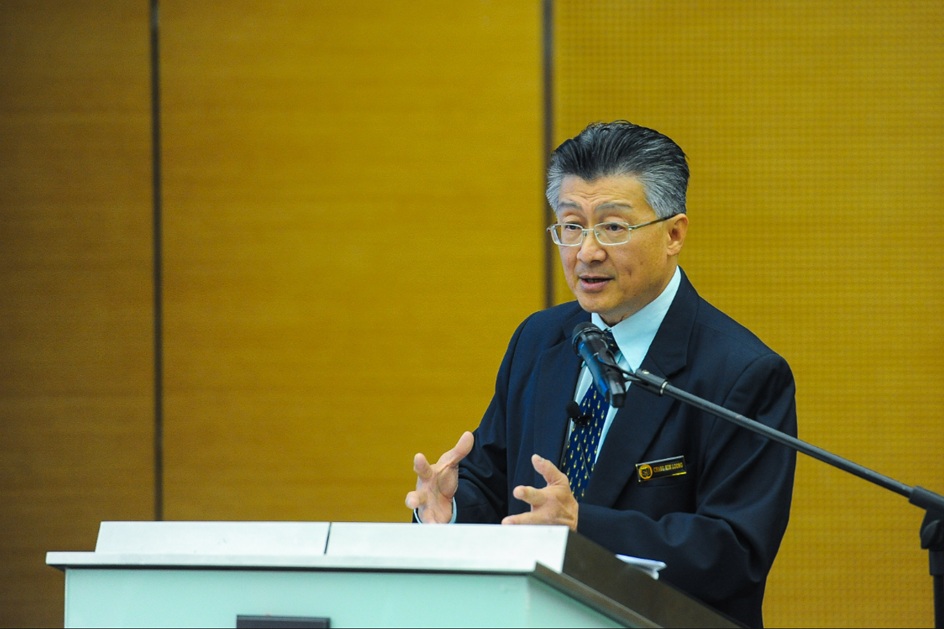
National House Buyers Association (HBA) secretary-general Chang Kim Loong said cross-subsidies arise because private developers are required to build low- and medium-cost housing, a role that should be undertaken by the government.
“When developers are forced to build social housing, the losses are transferred to buyers of open-market units in the same project,” he said. “Private developers are not charities for the government.”
Chang added that other policy-driven costs also inflate open-market home prices, including rules on the release of unsold Bumiputera quota units and infrastructure expenses for utilities such as electricity and water.
“These costs are ultimately absorbed into house prices,” he said, noting that corporatised utility companies should fund their own infrastructure.
He also urged the government to provide tax relief for first-time M40 homebuyers, including stamp duty exemptions, housing loan interest tax deductions and 100% financing, which he said would have an immediate impact on affordability.
A Systemic Problem
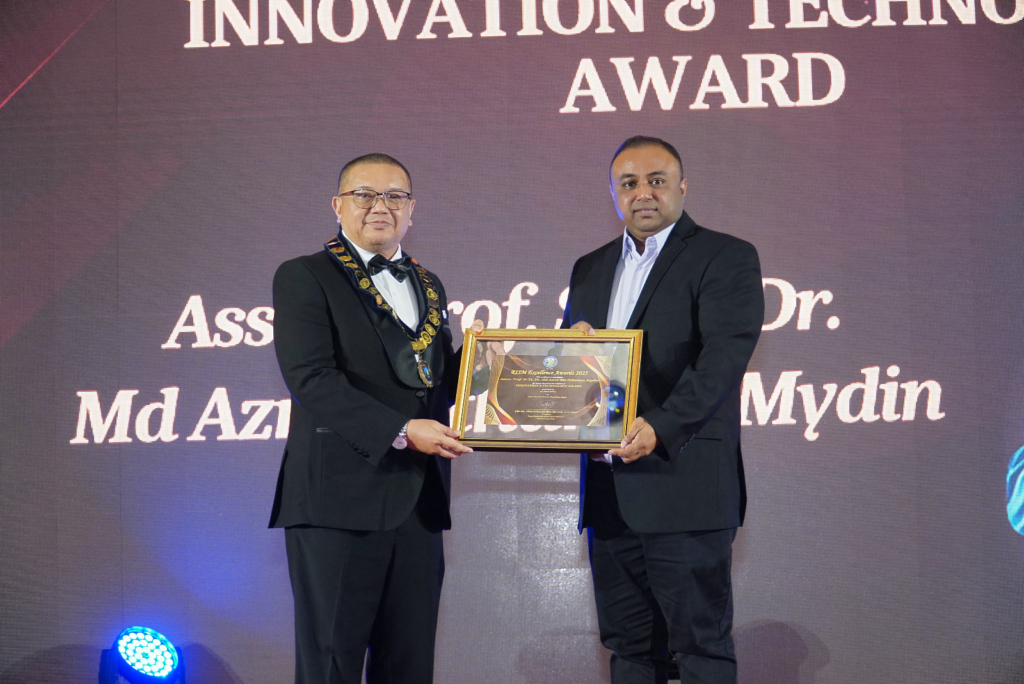
Dean of the School of Housing, Building and Planning at Universiti Sains Malaysia, Azree Othuman Mydin, said while cross-subsidies contribute to rising prices, they are only part of a broader systemic issue.
He cited higher compliance costs, land supply constraints and tighter financing conditions as equally significant factors.
“When one segment of the system carries a disproportionate burden, it creates fragility, leading to delays, financial strain and even abandoned projects,” he said.
Azree also noted that imposing higher taxes or stamp duties on foreign buyers would have minimal impact on M40 affordability, as foreigners account for only a small share of the housing market.
No Immediate Solution
All three experts agreed that improving housing affordability for the M40 requires coordinated policy reforms, faster approval processes, revised pricing thresholds and financing models that better reflect income progression.
“We have been discussing affordable housing for more than 15 years,” Siva said. “Yet the same structural problems remain unresolved.”

Join The Discussion