
 by
by 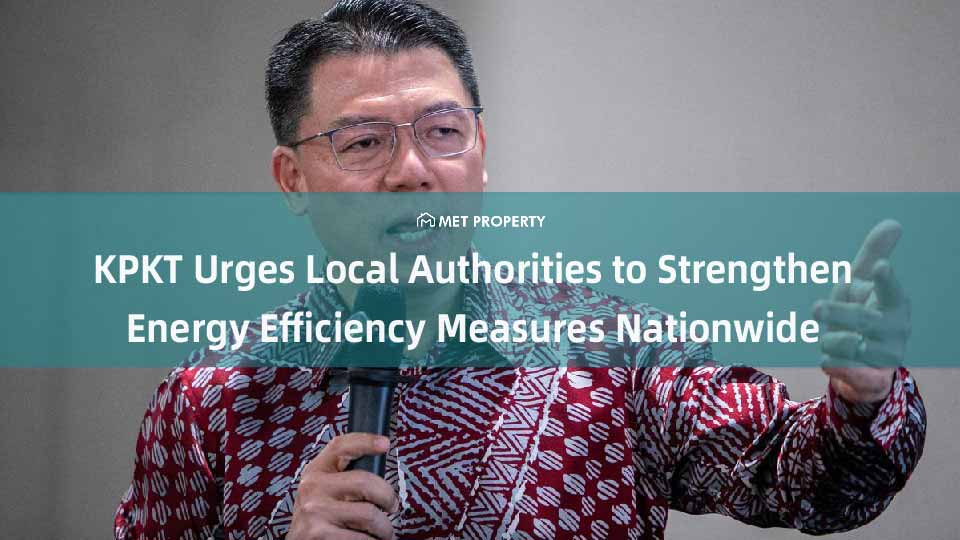
“KPKT calls on 156 local authorities to implement energy-saving measures, including WFH and green technology adoption, to address rising energy challenges in Malaysia.”
Kuala Lumpur, 14th April 2026, 2.57pm – Ministry of Housing and Local Government Malaysia has called on all 156 local authorities nationwide to urgently enhance energy planning and conservation efforts, in line with the federal government’s broader push to address rising global energy challenges.
The directive, issued through the Department of Local Government Malaysia, emphasises the need for local councils to adopt more structured and proactive approaches in optimising energy usage across public facilities and daily operations.
Service delivery must remain unaffected
Housing and Local Government Minister Nga Kor Ming stressed that while energy-saving measures are critical, public service delivery must not be compromised.
“The Madani government leads by example, ensuring that service efficiency remains a priority. Local authorities must continue to provide smooth and effective services while implementing these measures,” he said in a statement on Monday.
Six key energy-saving measures introduced
KPKT has outlined six immediate actions for implementation across all local authorities:
- Setting a minimum air-conditioning temperature of 24°C in government buildings and offices
- Introducing a phased and targeted work-from-home (WFH) arrangement starting April 15
- Encouraging daily energy-saving practices, including switching off unused electrical equipment and adopting climate-appropriate work attire
- Expanding the use of green technologies such as solar photovoltaic systems, LED lighting, and smart building solutions
- Conducting regular energy audits and long-term planning across public infrastructure, including street lighting, markets, parks, and facilities
- Promoting community awareness campaigns to encourage energy conservation at household and business levels
Push for greener and more sustainable urban management
The ministry said a formal circular will be issued to ensure consistent implementation across all local authorities, with periodic monitoring to assess energy savings and overall impact.
Nga added that improving energy efficiency at the local government level is part of a broader national strategy to strengthen resilience against global uncertainties while advancing sustainability goals.
“Every unit of energy saved contributes to a more sustainable and resilient future,” he said.
Implications for property and urban development
The initiative is expected to accelerate the adoption of energy-efficient infrastructure and green building practices across Malaysia’s urban landscape, particularly within public facilities managed by local councils.
Industry observers note that such measures could further influence private sector developments, as sustainability standards and energy efficiency increasingly become key considerations in property planning and development.


Join The Discussion